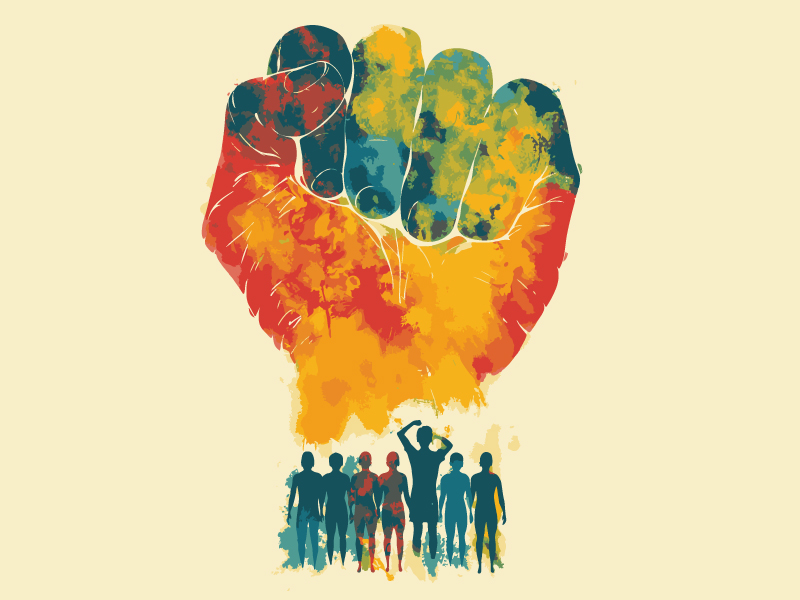
Human rights are the basic rights and freedoms that every individual possesses simply because they are human. These rights ensure that every person can live with dignity, equality, and freedom. Regardless of a person’s religion, caste, gender, economic background, or social status, every citizen deserves fair treatment and protection from injustice.
The protection of human rights is essential for building a democratic and just society. When people feel secure in their rights, they are able to live with confidence, contribute to society, and participate in social and economic development. However, when these rights are ignored or violated, it leads to injustice, discrimination, and social imbalance. Therefore, protecting human rights is not only the responsibility of governments and institutions but also of society as a whole
What Are Human Rights?
Human rights refer to the fundamental freedoms and protections that belong to every individual. These rights are universal and apply to all people equally.
They include rights such as the right to life and personal liberty, the right to equality before the law, freedom of speech and expression, the right to education, the right to work and fair wages, and the right to live with dignity and security. These rights allow individuals to live freely and participate fully in society without fear of discrimination or oppression.
Human Rights Protection in India
In India, human rights are strongly protected by the Constitution of India. The Constitution provides a set of Fundamental Rights that safeguard the freedom and dignity of every citizen.
Key protections include the Right to Equality, Right to Freedom, Right Against Exploitation, Freedom of Religion, Cultural and Educational Rights, and the Right to Constitutional Remedies. These constitutional provisions ensure that citizens can seek protection through legal systems if their rights are violated.
Challenges in Protecting Human Rights
Despite strong legal frameworks, many individuals still face challenges in accessing justice and protection. One of the biggest problems is lack of awareness. Many citizens are not fully aware of their rights or the legal mechanisms available to protect them.
Other challenges include delays in administrative or legal processes, fear of reporting injustice, limited access to proper guidance, and misuse of authority in certain situations. Because of these barriers, many cases of injustice remain unresolved.
Common Forms of Human Rights Violations
Human rights violations can occur in many different forms. Some common issues include discrimination based on caste, gender, or religion, workplace harassment, denial of fair wages, labor exploitation, domestic violence, misuse of authority, and unlawful detention.
Such violations not only harm individuals but also weaken trust in institutions and create inequality within society.
Importance of Awareness and Guidance
Awareness plays a critical role in protecting human rights. When individuals understand their rights and responsibilities, they become more confident in raising concerns and seeking justice.
Guidance platforms and citizen support systems help people understand their legal rights, learn about proper procedures, identify appropriate authorities, and take informed actions to address problems responsibly.
Role of CitizenSetu in Supporting Citizens
Organizations and citizen support platforms play an important role in strengthening awareness and guidance. CitizenSetu works with the objective of helping citizens navigate various challenges by providing structured guidance and information.
Many individuals face confusion when dealing with administrative processes or documentation requirements. CitizenSetu aims to simplify these situations by guiding individuals toward the right direction and helping them understand possible solutions. The focus is on empowering citizens through knowledge and guidance.
Importance of Accountability and Responsible Governance
Accountability is another key element in protecting human rights. Authorities and institutions that hold responsibility must operate with transparency and fairness.
Strong governance systems ensure that rules are applied equally, complaints are addressed properly, abuse of authority is minimized, and citizens receive fair treatment. Accountability builds trust between citizens and institutions.
Role of Education and Social Awareness
Education is one of the most powerful tools for promoting human rights. When individuals learn about equality, justice, and respect for others, they develop values that contribute to a more inclusive society.
Schools, universities, and community programs can play a major role in spreading awareness about human rights and civic responsibilities.
Conclusion
The protection of human rights is essential for creating a fair and balanced society where every individual can live with dignity and freedom. While laws and institutions provide the framework for protection, awareness and collective responsibility are equally important.
Citizens must stay informed about their rights, institutions must act responsibly, and support platforms like CitizenSetu must continue to guide and empower individuals. When all these elements work together, society becomes more just, inclusive, and respectful of human dignity.